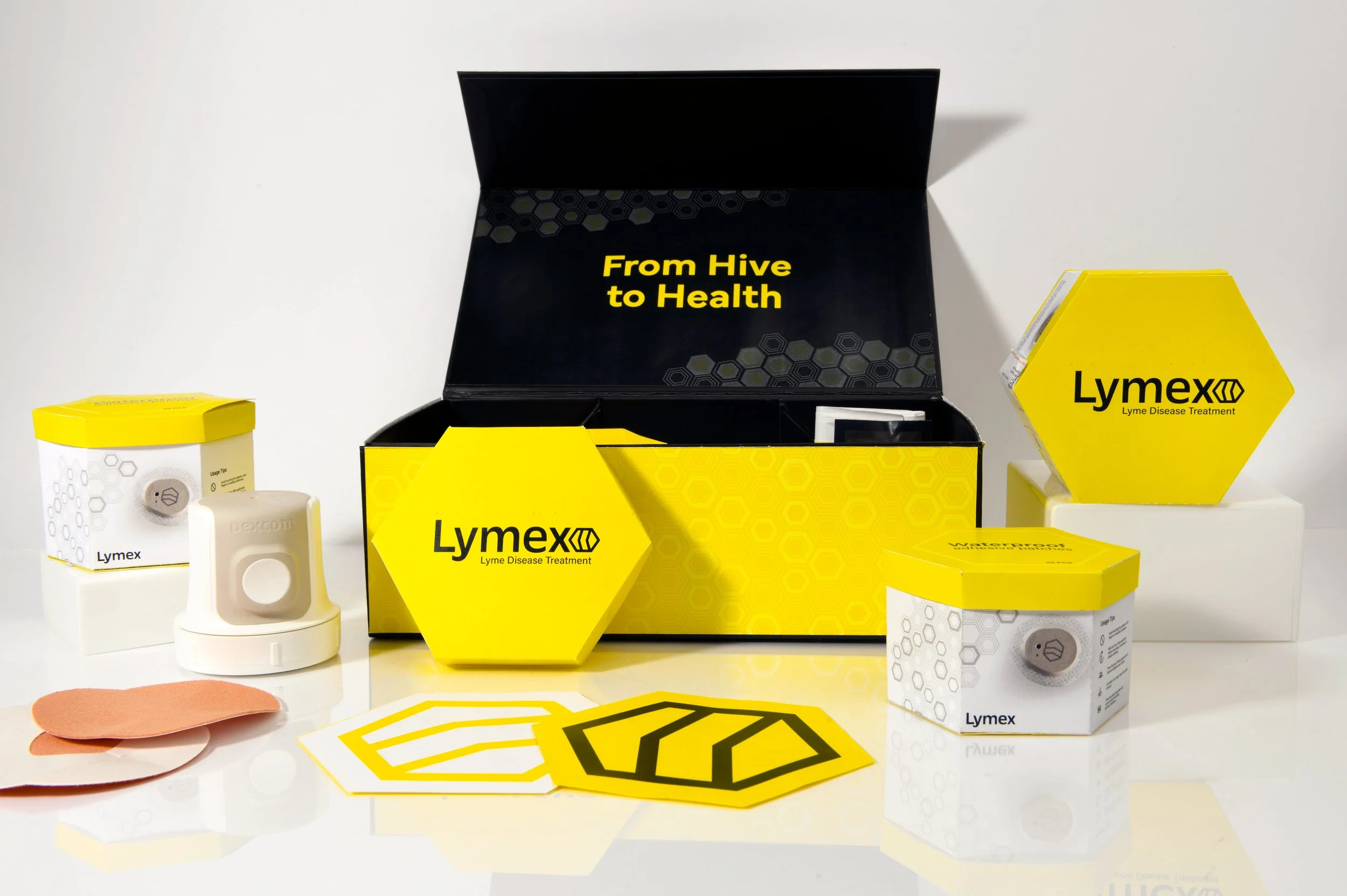
Thinking
Design thinking is a people-first approach to problem solving. It starts with understanding real needs, then defining the problem, exploring ideas, prototyping, and testing. It’s not about getting it perfect right away; it’s about staying open, iterative, and refining along the way to create solutions that truly work.
Step 1: Find the gap
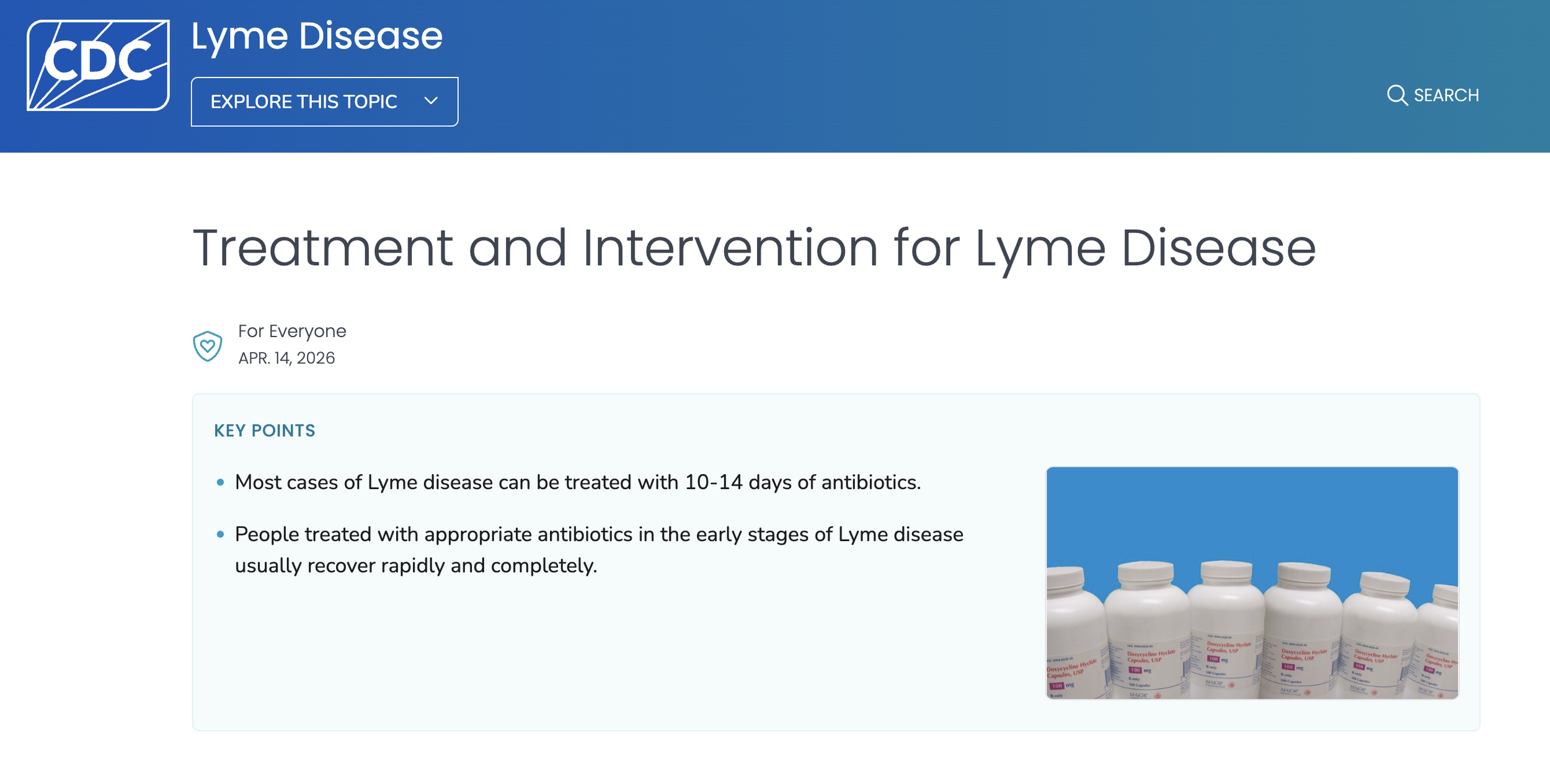
Every project begins with clarity and connection. I start by identifying the core problem, understanding the user’s needs, and defining clear, intentional goals. Through research, observation, and conversation, I gather insights and begin linking them together to reveal what truly matters. This stage brings structure to complexity, ensuring every decision that follows is purposeful, informed, and connected to a meaningful outcome.
Step 2: Connect
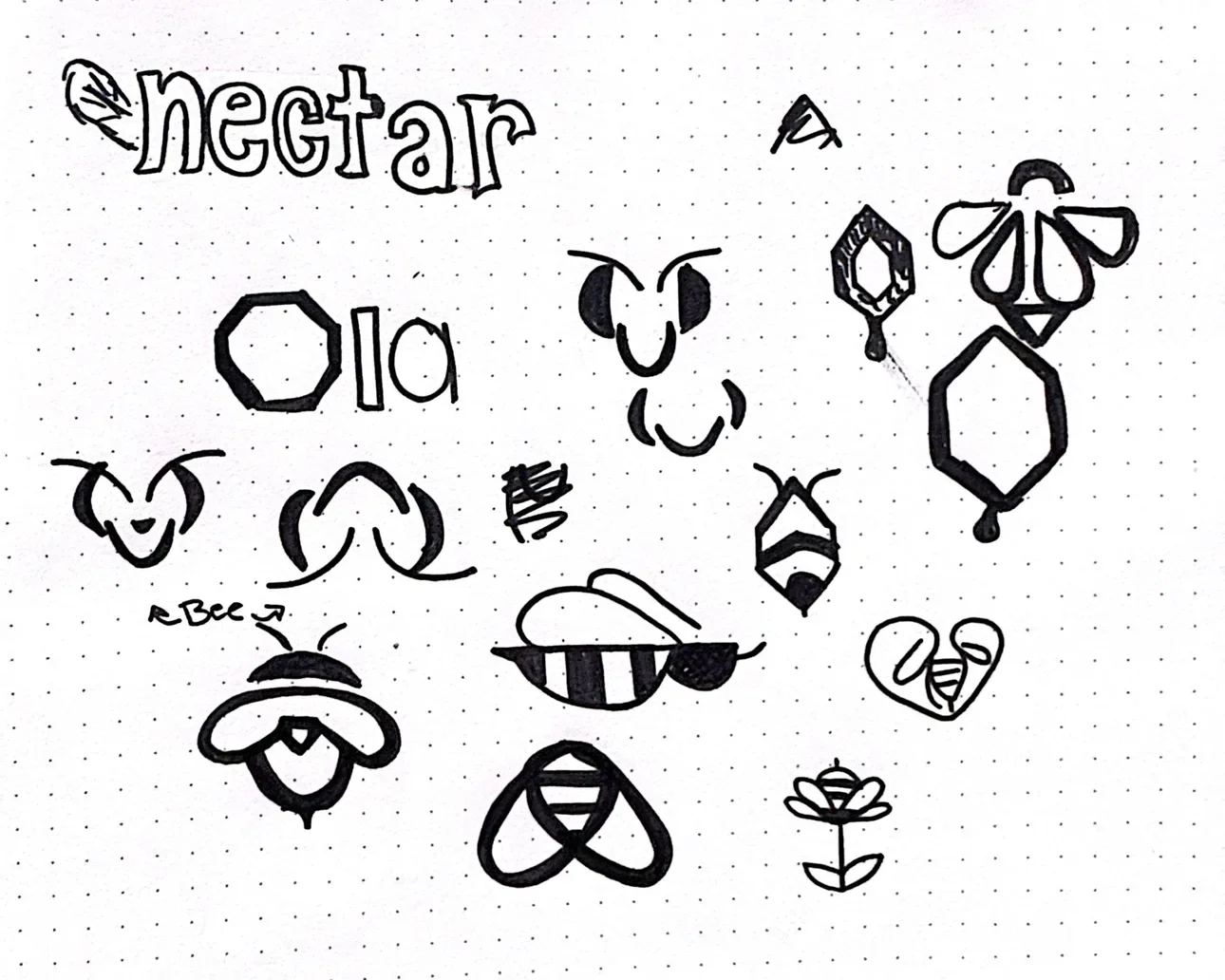
Once the challenge is clear, the process becomes about building connections. I explore ideas, strategies, and possibilities by linking research, inspiration, and multiple perspectives together. This stage is driven by curiosity—asking questions, testing directions, and staying open to new ways of thinking. By connecting different inputs, the work evolves into a more thoughtful, cohesive approach that leads to stronger, more innovative outcomes.
Step 3: Make
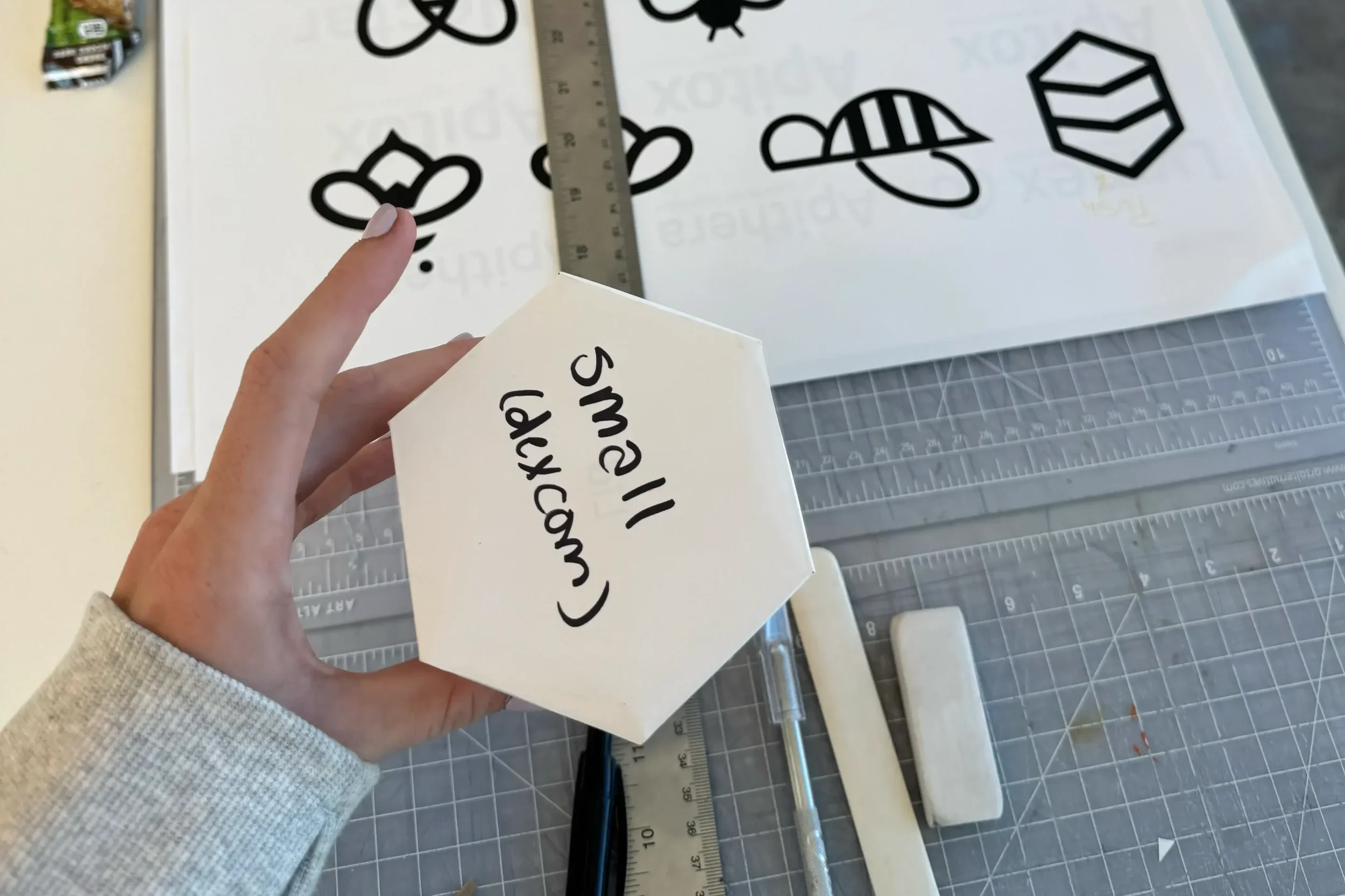
With a strategy in place, design is where everything comes together. I translate ideas into tangible outcomes through sketches, wireframes, prototypes, and visual systems. Every decision, whether visual, structural, or functional, is made by connecting form and function, ensuring the work is both purposeful and usable. Design isn’t just about how something looks; it’s about how it communicates, solves problems, and creates experiences that feel intuitive and engaging.
Step 4: Refine
Critique is where new perspectives connect to the work. By inviting feedback and fresh eyes, I’m able to challenge assumptions, strengthen ideas, and refine decisions. This stage is about linking outside insight with the existing direction, turning observations into meaningful improvements. It’s not about correction, but collaboration, where thoughtful input elevates the work to a higher standard.
Step 5: Deliver
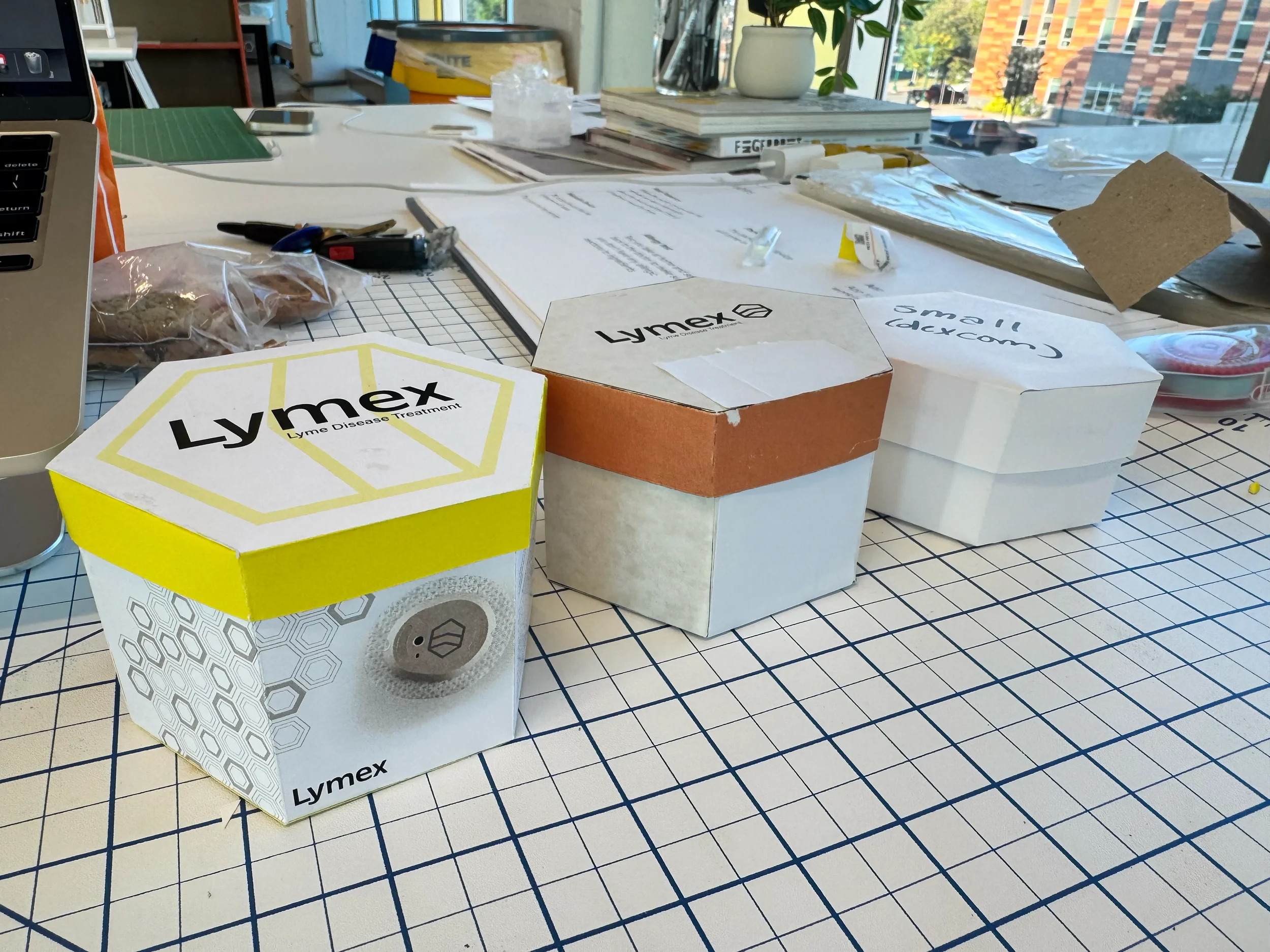
Creation is where everything connects into one cohesive outcome. In this final stage, ideas, strategy, and design come together as the work is refined and brought to life. Every detail is intentional, ensuring that visuals, functionality, and messaging all align seamlessly. The result is a fully realized solution that looks strong, works effectively, and delivers on the vision set from the start.